Buy geizfinder.eu ?
We are moving the project
geizfinder.eu .
Are you interested in purchasing the domain
geizfinder.eu ?
domain@kv-gmbh.de · 0541-91531010
Buy geizfinder.eu ?
What are the differences between covalent bonds, metallic bonds, and ionic bonds?
Covalent bonds are formed when two atoms share electrons, resulting in a strong bond between the atoms. Metallic bonds occur between metal atoms, where the electrons are delocalized and free to move throughout the structure, creating a strong bond. Ionic bonds are formed between a metal and a nonmetal, where one atom transfers electrons to the other, resulting in the formation of positively and negatively charged ions that are attracted to each other. Overall, covalent bonds involve electron sharing, metallic bonds involve electron delocalization, and ionic bonds involve electron transfer. **
Do CO bonds form with other CO bonds?
No, CO bonds do not typically form with other CO bonds. Carbon monoxide (CO) is a stable molecule with a triple bond between the carbon and oxygen atoms. This triple bond is strong and does not readily form additional bonds with other CO molecules. Instead, CO molecules tend to interact with other types of molecules through various types of chemical reactions. **


Similar search terms for Bonds
Top-Angebote
Products related to Bonds:
-
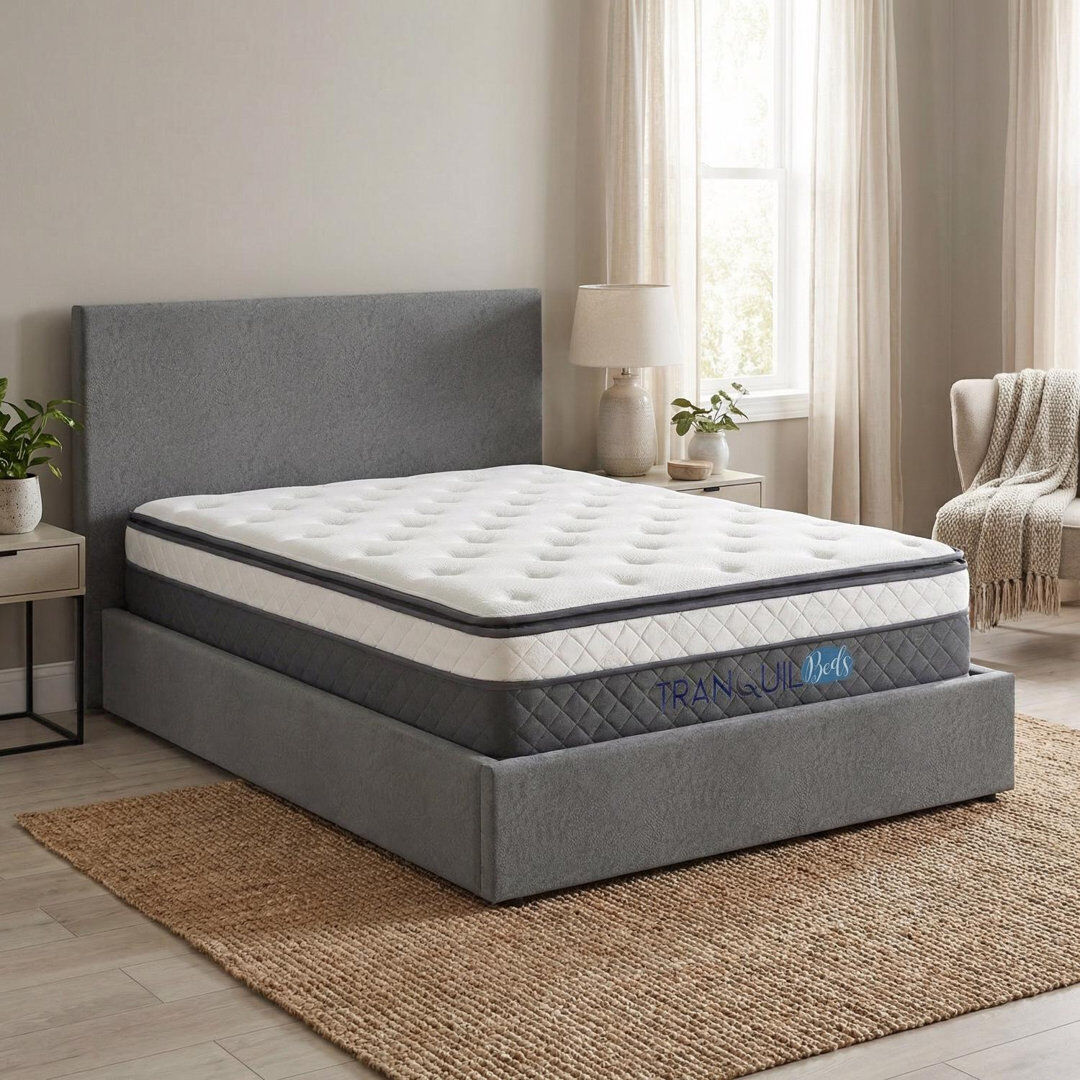
Muse Daily Deal Offers MattressIndulge in exceptional comfort and luxury with the Muse Pillow Top Pocket Sprung Single Mattress. Expertly designed with an impressive 35cm deep construction, this premium single mattress combines advanced sleep technology, superior support and plush pillow top comfort to deliver a truly hotel-quality sleep experience night after night. Designed for sleepers who demand both comfort and performance, the Muse Mattress features an enhanced pillow-top layer that creates an indulgently soft and cushioned sleeping surface. Ideal for bedrooms, guest rooms and modern living spaces, this mattress offers the perfect balance of luxurious softness and dependable support. The breathable knitted fabric cover works alongside carefully engineered layers of premium polyester fibre and multiple supportive foam comfort layers to create a cool, breathable and pressure-relieving sleep environment. This advanced layered construction is designed to help you relax faster and sleep more comfortably throughout the night. At the heart of the comfort system is an innovative convoluted foam layer featuring a specialist peaks and valleys design that enhances airflow and improves temperature regulation. This advanced foam technology helps keep the mattress fresher and cooler while also providing targeted pressure relief to key areas such as the shoulders, hips and lower back. Beneath the comfort layers, dual high-density foam support sections deliver enhanced structure, durability and long-lasting performance. Combined with reinforced non-woven fabric and cotton felt layers, the mattress maintains excellent stability and support over time. At its core, a responsive pocket sprung support system featuring individually wrapped springs adapts independently to your body’s shape and movement. This advanced spring system helps evenly distribute weight, minimise motion transfer and promote healthy spinal alignment for a more comfortable and restorative night’s sleep. Reinforced edge support maximises the usable sleeping surface and provides additional stability around the perimeter of the mattress, allowing you to sleep comfortably right to the edge. The practical non-slip fabric base also helps keep the mattress securely positioned on your bed frame. Combining luxurious comfort, advanced cooling technology and premium support, the Muse Pillow Top Mattress is designed to provide exceptional sleep quality night after night. Its thoughtful construction and high-quality materials make it the ideal choice for anyone looking to upgrade their sleep experience. Dimensions: Mattress Size: UK Single Width: 90cm Length: 190cm Depth: 35cm Daily Deal Offers189,99 £*Shipping: 0,00 £Secure redirect to the provider
-
HomeDecorAndMore LLC Incents Voodoo Stress Therapy Tool Offers Instant Anxiety Relief Incents Voodoo Stress Therapy Tool Offers Instant Anxiety ReliefVoodoo dolls have always been associated with black magic and dark stuff, but these can be transformed into cute and unique decorative features. Just like this incents voodoo – stress therapy tool is an ideal choice. It is a handcarved doll with a...22,97 $*Shipping: 0,00 $Secure redirect to the provider
-
Inspired Deals Electronic ATM Piggy Bank For Kids With Card Swipe, Password Lock, Coin & Cash Savings Safe goldTurn saving money into an exciting realworld experience for children with a smart interactive ATM piggy bank designed to make learning finance fun and engaging. This kids savings bank helps children build responsibility while enjoying realistic...129,97 $*Shipping: 0,00 $Secure redirect to the provider



-
Why are intermolecular bonds weaker than electron pair bonds?
Intermolecular bonds are weaker than electron pair bonds because they involve interactions between molecules rather than within a single molecule. In intermolecular bonds, the attractive forces between molecules are generally weaker than the covalent bonds that hold atoms together within a molecule. Additionally, intermolecular bonds are typically temporary and can be easily broken, whereas electron pair bonds are strong and stable. Overall, the weaker nature of intermolecular bonds allows molecules to move and interact with each other more freely. **
-
Why are intermolecular bonds generally weaker than covalent bonds?
Intermolecular bonds are generally weaker than covalent bonds because they involve interactions between molecules rather than within a single molecule. Covalent bonds involve the sharing of electrons between atoms, creating strong bonds within a molecule. In contrast, intermolecular bonds, such as hydrogen bonds or van der Waals forces, are weaker because they are based on temporary interactions between molecules, which can be easily broken. Additionally, intermolecular bonds are influenced by factors such as distance and orientation, further contributing to their weaker nature compared to covalent bonds. **
-
Why are intermolecular bonds typically weaker than covalent bonds?
Intermolecular bonds are typically weaker than covalent bonds because they involve interactions between molecules rather than within a single molecule. In intermolecular bonds, the attractive forces between molecules, such as van der Waals forces or hydrogen bonding, are weaker than the strong sharing of electrons in covalent bonds. Additionally, intermolecular bonds are more easily broken or disrupted by changes in temperature or pressure, leading to lower bond energies compared to covalent bonds. **
-
Why are polar bonds lower in energy than nonpolar bonds?
Polar bonds are lower in energy than nonpolar bonds because they involve the unequal sharing of electrons between two atoms with different electronegativities. This unequal sharing creates a dipole moment, which results in an attractive force between the partially positive and partially negative ends of the molecule. This electrostatic attraction lowers the overall energy of the molecule compared to nonpolar bonds, where electrons are shared equally. As a result, polar bonds are typically stronger and more stable than nonpolar bonds. **


Why are intermolecular bonds generally weaker than electron pair bonds?
Intermolecular bonds are generally weaker than electron pair bonds because they involve interactions between molecules, which are larger and less localized than the interactions between atoms in a covalent bond. In intermolecular bonds, the attractive forces are typically weaker due to the larger distance between molecules and the lack of direct sharing of electrons. In contrast, electron pair bonds involve the sharing of electrons between atoms, leading to stronger and more localized bonding interactions. **
Why are primary bonds stronger than secondary bonds in chemistry?
Primary bonds, such as covalent and ionic bonds, are stronger than secondary bonds, such as hydrogen bonds and van der Waals forces, because they involve the sharing or transfer of electrons between atoms. This results in a more stable and tightly held bond. In contrast, secondary bonds are based on weaker electrostatic interactions between molecules or atoms, such as dipole-dipole interactions or temporary induced dipoles, which are not as strong as the sharing or transfer of electrons in primary bonds. Therefore, primary bonds have a higher bond energy and require more energy to break compared to secondary bonds. **
Top-Angebote
Products related to Bonds:
-
Inspired Finds Eternal Bonds Personalized Acrylic Photo Frame & Custom Couple Plaque Gift warm LightCapture Your Timeless Connection. Turn your most meaningful moments into a lasting keepsake with this elegant personalized acrylic photo frame. Designed specifically for couples who value memories that matter, this sleek, transparent display piece...110,99 $*Shipping: 0,00 $Secure redirect to the provider
-
Inspired Deals Dinosaur Coin Bank Toy For Kids Interactive Savings Money Bank gingerImagine turning everyday saving into a moment your child looks forward to. This dinosaur coin bank toy brings playful excitement to learning money habits, as the cute dinosaur pops out to steal coins in a fun and surprising way. Designed for kids...44,97 $*Shipping: 0,00 $Secure redirect to the provider
-
Muse Daily Deal Offers MattressIndulge in exceptional comfort and luxury with the Muse Pillow Top Pocket Sprung Single Mattress. Expertly designed with an impressive 35cm deep construction, this premium single mattress combines advanced sleep technology, superior support and plush pillow top comfort to deliver a truly hotel-quality sleep experience night after night. Designed for sleepers who demand both comfort and performance, the Muse Mattress features an enhanced pillow-top layer that creates an indulgently soft and cushioned sleeping surface. Ideal for bedrooms, guest rooms and modern living spaces, this mattress offers the perfect balance of luxurious softness and dependable support. The breathable knitted fabric cover works alongside carefully engineered layers of premium polyester fibre and multiple supportive foam comfort layers to create a cool, breathable and pressure-relieving sleep environment. This advanced layered construction is designed to help you relax faster and sleep more comfortably throughout the night. At the heart of the comfort system is an innovative convoluted foam layer featuring a specialist peaks and valleys design that enhances airflow and improves temperature regulation. This advanced foam technology helps keep the mattress fresher and cooler while also providing targeted pressure relief to key areas such as the shoulders, hips and lower back. Beneath the comfort layers, dual high-density foam support sections deliver enhanced structure, durability and long-lasting performance. Combined with reinforced non-woven fabric and cotton felt layers, the mattress maintains excellent stability and support over time. At its core, a responsive pocket sprung support system featuring individually wrapped springs adapts independently to your body’s shape and movement. This advanced spring system helps evenly distribute weight, minimise motion transfer and promote healthy spinal alignment for a more comfortable and restorative night’s sleep. Reinforced edge support maximises the usable sleeping surface and provides additional stability around the perimeter of the mattress, allowing you to sleep comfortably right to the edge. The practical non-slip fabric base also helps keep the mattress securely positioned on your bed frame. Combining luxurious comfort, advanced cooling technology and premium support, the Muse Pillow Top Mattress is designed to provide exceptional sleep quality night after night. Its thoughtful construction and high-quality materials make it the ideal choice for anyone looking to upgrade their sleep experience. Dimensions: Mattress Size: UK Single Width: 90cm Length: 190cm Depth: 35cm Daily Deal Offers189,99 £*Shipping: 0,00 £Secure redirect to the provider
-
HomeDecorAndMore LLC Incents Voodoo Stress Therapy Tool Offers Instant Anxiety Relief Incents Voodoo Stress Therapy Tool Offers Instant Anxiety ReliefVoodoo dolls have always been associated with black magic and dark stuff, but these can be transformed into cute and unique decorative features. Just like this incents voodoo – stress therapy tool is an ideal choice. It is a handcarved doll with a...22,97 $*Shipping: 0,00 $Secure redirect to the provider
-
What are the differences between covalent bonds, metallic bonds, and ionic bonds?
Covalent bonds are formed when two atoms share electrons, resulting in a strong bond between the atoms. Metallic bonds occur between metal atoms, where the electrons are delocalized and free to move throughout the structure, creating a strong bond. Ionic bonds are formed between a metal and a nonmetal, where one atom transfers electrons to the other, resulting in the formation of positively and negatively charged ions that are attracted to each other. Overall, covalent bonds involve electron sharing, metallic bonds involve electron delocalization, and ionic bonds involve electron transfer. **
-
Do CO bonds form with other CO bonds?
No, CO bonds do not typically form with other CO bonds. Carbon monoxide (CO) is a stable molecule with a triple bond between the carbon and oxygen atoms. This triple bond is strong and does not readily form additional bonds with other CO molecules. Instead, CO molecules tend to interact with other types of molecules through various types of chemical reactions. **
-
Why are intermolecular bonds weaker than electron pair bonds?
Intermolecular bonds are weaker than electron pair bonds because they involve interactions between molecules rather than within a single molecule. In intermolecular bonds, the attractive forces between molecules are generally weaker than the covalent bonds that hold atoms together within a molecule. Additionally, intermolecular bonds are typically temporary and can be easily broken, whereas electron pair bonds are strong and stable. Overall, the weaker nature of intermolecular bonds allows molecules to move and interact with each other more freely. **
-
Why are intermolecular bonds generally weaker than covalent bonds?
Intermolecular bonds are generally weaker than covalent bonds because they involve interactions between molecules rather than within a single molecule. Covalent bonds involve the sharing of electrons between atoms, creating strong bonds within a molecule. In contrast, intermolecular bonds, such as hydrogen bonds or van der Waals forces, are weaker because they are based on temporary interactions between molecules, which can be easily broken. Additionally, intermolecular bonds are influenced by factors such as distance and orientation, further contributing to their weaker nature compared to covalent bonds. **
Similar search terms for Bonds
-
Inspired Deals Electronic ATM Piggy Bank For Kids With Card Swipe, Password Lock, Coin & Cash Savings Safe goldTurn saving money into an exciting realworld experience for children with a smart interactive ATM piggy bank designed to make learning finance fun and engaging. This kids savings bank helps children build responsibility while enjoying realistic...129,97 $*Shipping: 0,00 $Secure redirect to the provider
-
Daily Deal Offers Radiator Cover W112 x H81.5 x D19cmUpgrade your interior with the Vertical Slat Small MDF Grey Radiator Cover, a stylish and practical way to conceal unsightly radiators while maintaining efficient heat distribution. Crafted from high-quality MDF, this durable cover features a sleek vertical slat design that complements both modern and traditional interiors. The matt grey finish adds a fresh, timeless appeal, and the top surface doubles as a shelf—ideal for displaying decorative accents such as plants or photo frames. Designed for everyday living, the cover includes a curved skirting board cut-out to fit snugly against your wall, concealing radiator pipes for a neat, integrated look. Measuring 82.3 cm high, and 19 cm deep, it’s compact enough for smaller spaces while offering a big visual upgrade. Delivered flat packed for easy assembly, this helping you refresh your room quickly and effortlessly. Perfect for hallways, living rooms, or bedrooms, the Small Vertical Slat Radiator Cover brings elegance, practicality, and warmth to any home. Product Dimensions Height: 82.3 cm Depth: 19 cm Material: High-Grade MDF Finish: Matt Grey Delivery: Flat-Packed Daily Deal Offers Size: W112 x H81.5 x D19cm44,99 £*Shipping: 4,99 £Secure redirect to the provider
-
Inspired Finds Eternal Bonds Personalized Acrylic Photo Frame & Custom Couple Plaque Gift 7 Colors LightCapture Your Timeless Connection. Turn your most meaningful moments into a lasting keepsake with this elegant personalized acrylic photo frame. Designed specifically for couples who value memories that matter, this sleek, transparent display piece...116,99 $*Shipping: 0,00 $Secure redirect to the provider
-
Why are intermolecular bonds typically weaker than covalent bonds?
Intermolecular bonds are typically weaker than covalent bonds because they involve interactions between molecules rather than within a single molecule. In intermolecular bonds, the attractive forces between molecules, such as van der Waals forces or hydrogen bonding, are weaker than the strong sharing of electrons in covalent bonds. Additionally, intermolecular bonds are more easily broken or disrupted by changes in temperature or pressure, leading to lower bond energies compared to covalent bonds. **
-
Why are polar bonds lower in energy than nonpolar bonds?
Polar bonds are lower in energy than nonpolar bonds because they involve the unequal sharing of electrons between two atoms with different electronegativities. This unequal sharing creates a dipole moment, which results in an attractive force between the partially positive and partially negative ends of the molecule. This electrostatic attraction lowers the overall energy of the molecule compared to nonpolar bonds, where electrons are shared equally. As a result, polar bonds are typically stronger and more stable than nonpolar bonds. **
-
Why are intermolecular bonds generally weaker than electron pair bonds?
Intermolecular bonds are generally weaker than electron pair bonds because they involve interactions between molecules, which are larger and less localized than the interactions between atoms in a covalent bond. In intermolecular bonds, the attractive forces are typically weaker due to the larger distance between molecules and the lack of direct sharing of electrons. In contrast, electron pair bonds involve the sharing of electrons between atoms, leading to stronger and more localized bonding interactions. **
-
Why are primary bonds stronger than secondary bonds in chemistry?
Primary bonds, such as covalent and ionic bonds, are stronger than secondary bonds, such as hydrogen bonds and van der Waals forces, because they involve the sharing or transfer of electrons between atoms. This results in a more stable and tightly held bond. In contrast, secondary bonds are based on weaker electrostatic interactions between molecules or atoms, such as dipole-dipole interactions or temporary induced dipoles, which are not as strong as the sharing or transfer of electrons in primary bonds. Therefore, primary bonds have a higher bond energy and require more energy to break compared to secondary bonds. **
* All prices are inclusive of VAT and, if applicable, plus shipping costs. The offer information is based on the details provided by the respective shop and is updated through automated processes. Real-time updates do not occur, so deviations can occur in individual cases. ** Note: Parts of this content were created by AI.